

5 mistakes that tank a property listing
Photos decide before a prospective buyer reads a single word of the description. If the photos don't grab them in the first few seconds, they'll never even get to the text. This article isn't about composition or shooting technique (we covered that in earlier pieces) - it's purely about five specific mistakes we see most often that needlessly sink a listing.
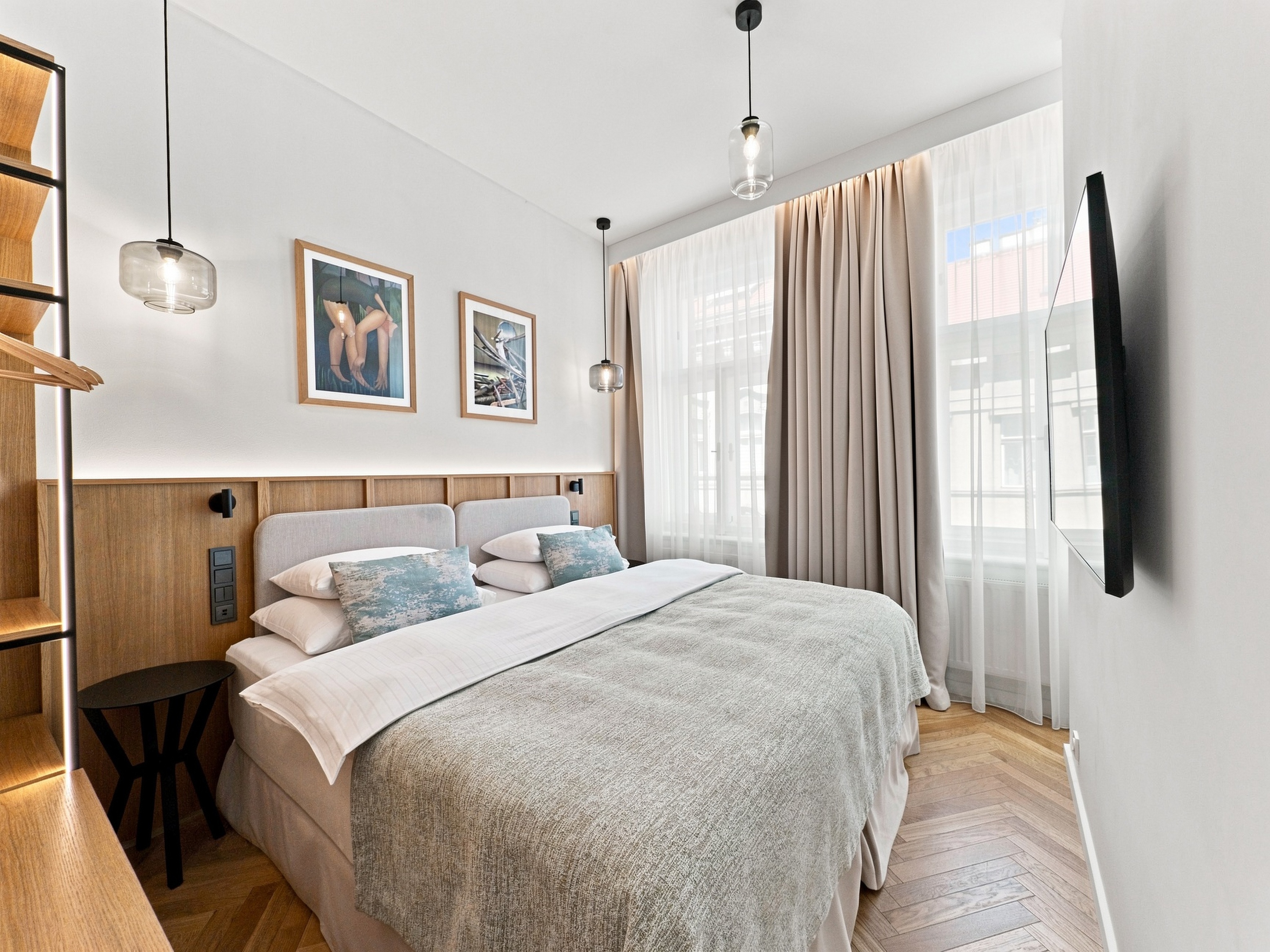
That small technical details really do matter is confirmed by a 2013 American Redfin study: the sharpest tenth of photos sold at or above the asking price in 44% of cases, while normally sharp photos did so in only 13% of cases. The difference between a "pretty good" and a "truly sharp" photo can thus affect the final price — not to mention whether anyone even opens the listing at all.
1. Clutter in the shot — not the same thing as an old apartment
This is by far the most common mistake we come across, and it needs to be said plainly: it's not about whether the apartment is old. An old but clean and tidy apartment works fine in photos. The problem is clutter — leftover food and packaging scattered on the table or kitchen counter, dirty dishes, overflowing trash cans. This is what prospective buyers see first, and their impression of the whole property forms accordingly, even though the clutter has nothing to do with the price or condition of the apartment.
We covered preparing a space and removing distracting details from photos in detail in our previous article, How to Photograph a Property with Your Phone Like a Pro — among other things, you'll find there how to tell when staging makes sense and how to get even an ordinary apartment ready in just a few minutes of prep.
2. Flash reflecting in mirrors and windows
Direct flash into a mirror, glass surface, or window creates a strong glare (a so-called flare) that's distracting in the photo and pulls attention away from the room itself. Flash itself isn't necessarily a problem and is commonly used in real estate photos — it's just a matter of checking before shooting that it isn't reflecting straight into the lens.
3. Portrait photos instead of landscape
The vast majority of real estate portals are built for landscape photos — it's the format people are used to and the one that displays cleanly on portals, without black bars or unattractive cropping. A portrait photo doesn't belong in a standard listing.
The exception is if you plan to use the same photo on social media too — for example, Instagram Stories or Reels, which use a 9:16 ratio, or the feed, where 4:5 works better. In that case, it's fine to have a separate portrait shot prepared for that purpose, deliberately framed to show exactly what you want to highlight. Just don't put it in the standard listing — stick to landscape photos there.
4. Weak opening photo and wrong order
The first photo in a listing is the most important of all — it's the one shown in the preview and it decides whether a prospective buyer opens the listing at all. Yet it often happens that the first photo is of a hallway, entrance, or some other unremarkable shot, while the property's strongest photo is buried in the middle of the gallery.
An American study that analyzed over 14,000 photos from about 600 properties showed that among the most significant photo categories, living interiors clearly lead — bedroom, kitchen, and living room — while the classic front-of-house shot (the view of the house as seen from the street, i.e., the façade) came in only fifth. The exact figures can't simply be carried over to the Czech market, but the direction is clear and matches what experienced real estate photographers recommend: put the strongest, most striking shot of the property first — typically the living room or the room with the best view — not a technical or transitional shot like a hallway or entrance.
The order after that usually works as follows: first the spaces that interest buyers most (kitchen, bathroom), then the garden or outdoor spaces if available, and technical or supplementary shots last.
5. Missing key shots
The last common mistake is that the listing simply lacks a photo buyers would like to see. For an apartment in a panel building or apartment block, people often forget to photograph the entrance and the building as a whole — buyers want to see what kind of building they're moving into, not just what kind of apartment.
The same goes for views from the windows. More and more people care about this — they want to know what they'll be looking at from the bedroom or kitchen: greenery, the street, or straight into a neighboring building's windows. A missing view photo often raises the question of whether you're hiding something, even if that's not the case at all.
One more thing
Photos in a listing shouldn't be AI-generated or visibly AI-edited — besides undermining the listing's credibility, many portals actively detect this kind of editing, and a listing with it can end up restricted or outright blocked.
None of these five mistakes requires professional equipment or experience — you just need to watch out for them. A tidy, uncluttered shot, flash without glare, landscape photos, a strong opening photo in first place, and a few extra key shots (building entrance, view from the window) can, on their own, decide whether someone opens your listing or scrolls right past it.
Like this kind of article? Follow us on Instagram or subscribe to our newsletter — next time we'll look at how to photograph a small apartment so it looks bigger in photos.